Quiet Begins at Home: Practical Paths to Acoustic Comfort
Today we explore acoustic comfort through practical soundproofing and whisper‑quiet appliances for calm living. You’ll discover approachable building techniques, smart product choices, and daily habits that tame echoes, hush vibration, and minimize mechanical hums. Expect real‑home stories, clear comparisons, and invitations to ask questions, share experiments, and subscribe.
Decibels, Loudness, and Real-Life Comparisons
Decibels use a logarithmic scale, so a 10 dB change often feels like a rough doubling or halving of loudness. A whisper can hover around the low thirties, conversation near sixty, busy streets much higher. Free phone apps provide helpful relative readings to guide decisions.

Frequency Shapes Comfort
Low‑frequency rumbles from compressors or traffic travel through structures and feel more fatiguing over time, while high‑frequency hiss reflects between hard surfaces and raises stress quickly. When you identify the dominant bands, you can pair mass, damping, or absorption strategically to solve the right problem first.
Room-by-Room Strategies for Calmer Spaces
Start by sealing light leaks that often reveal sound leaks, then add a solid‑core door with perimeter gaskets and a drop bottom. Layer rugs or cork underlayment, hang lined curtains over double glazing, and choose whisper‑quiet ventilation. Bedtime routines finish stronger when the room’s noise floor stays low.
Place absorption where your voice reflects—behind your monitor or on the wall opposite your chair—and position a tall bookshelf to break flutter echoes. Fit a door sweep, isolate the printer, and schedule appliances. Meetings sound clearer, recordings improve, and deep work finally feels protected from interruptions.
Large, reflective volumes benefit from layered textiles, ceiling baffles, and thoughtful zoning. Anchor the space with a big rug, fabric sofa, and drapery, then place bookcases or plants as soft dividers. Keep pathways clear, reduce clatter at the kitchen, and maintain pleasant liveliness without exhausting reverberation.
Materials and Builds that Actually Work
Double drywall with a viscoelastic compound reduces resonance dramatically, while resilient channels or staggered studs break the direct path. Keep electrical boxes from sharing cavities, seal perimeter gaps with acoustic caulk, and avoid short‑circuiting isolation with rigid backer blocks for shelves or heavy fixtures.
Underlayments of cork or rubber soften impact, especially under floating laminate, engineered wood, or luxury vinyl. Add a dense pad beneath rugs, dress stair treads with runners, and apply felt to furniture feet. Small touches cut footfall and chair scrape noise far more than expected.
Swapping hollow‑core doors for solid cores brings a noticeable difference, especially combined with perimeter seals and an automatic drop bottom. For windows, laminated or double glazing with proper air gaps helps, and interior secondary panes create big gains without replacing exterior frames.
Picking Appliances You Barely Notice
{{SECTION_SUBTITLE}}
Dishwashers and Laundry that Whisper
Quiet dishwashers often use stainless tubs, targeted insulation, and efficient spray patterns that reduce motor strain. Laundry units with direct‑drive or brushless motors vibrate less when leveled, especially on firm pads. Compare published ratings, yet trust your ears at the store, and schedule cycles when neighbors won’t notice.
Refrigeration and Cooking without the Clatter
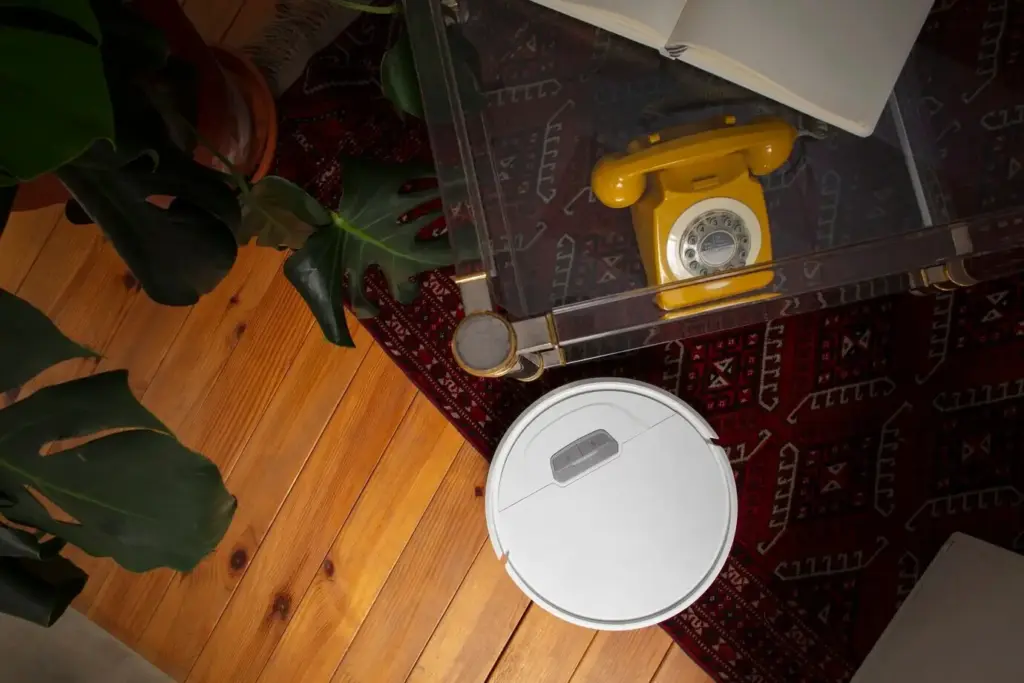
Inverter compressors ramp gently instead of clicking loudly on and off, while better cabinet isolation prevents hum from telegraphing into walls. Induction cooktops use fans—choose models with quiet cooling and keep vents clear. Add anti‑vibration mats beneath countertop appliances to stop buzz from coupling to surfaces.
Habits, Layouts, and Etiquette
Furniture placement, timing, and manners shape quiet as much as materials do. Keep noisy gear away from shared walls, add soft landings under everything that moves, and pace chores thoughtfully. When people feel considered, homes calm down, and small disruptions rarely snowball into unnecessary conflicts.
Daily Micro-Habits that Add Up
Install soft‑close bumpers, use felt under trays, lower toilet seats carefully, and cushion lids on hampers. Wear soft‑soled slippers, corral keys, and silence appliance chimes. These micro‑habits cost almost nothing, yet they compound daily, trimming little spikes that fatigue ears and fray patience over time.
Neighborly Consideration in Shared Buildings
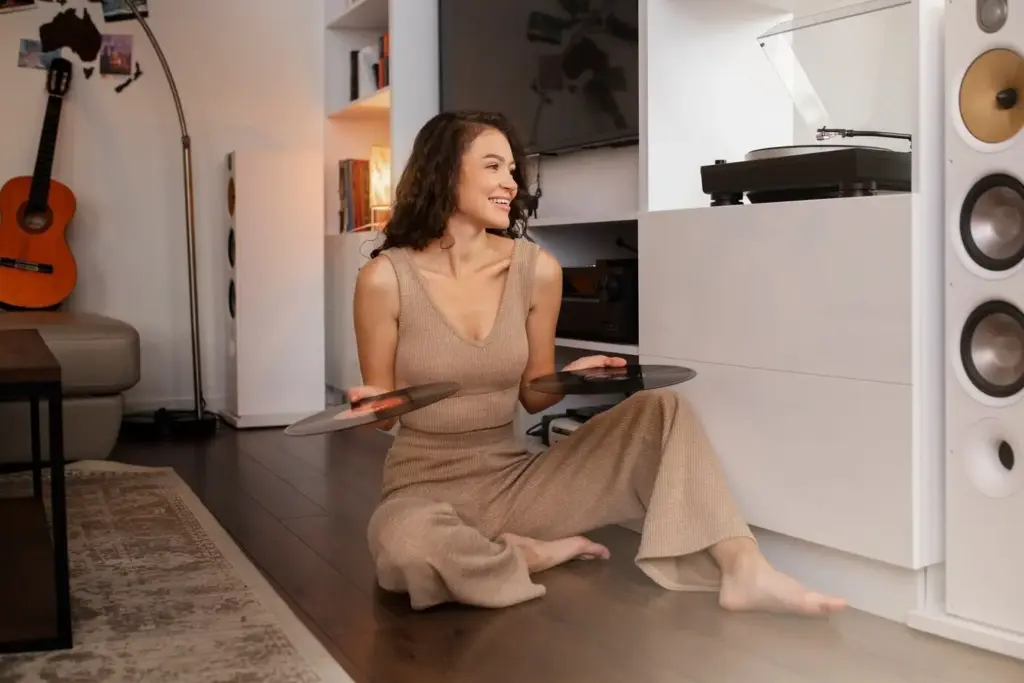
Place subs on isolation platforms, lift speakers off consoles, and aim monitors away from walls. Share quiet hours openly, message before running late cycles, and trade phone numbers. Kind communication prevents escalation, while rugs and pads reduce impact sounds that strain relationships in stacked living.
Measure, Iterate, and Celebrate Progress
Progress grows from curiosity and simple measurements. Establish a baseline, try one change at a time, and listen again. Celebrate small wins, maintain the equipment that touches air and water, and share your findings so others can learn, ask questions, and subscribe for future experiments.
Simple Measuring Helps Decisions
Use a smartphone meter to capture relative readings across the day, marking peaks and sources on a simple home map. Correlate spikes with appliances, traffic, or neighbors, then rank improvements by effort and effect. This clarity prevents random spending and reveals meaningful, satisfying opportunities.
Tune, Test, and Refine Room by Room
Start with door seals, felt pads, and a larger living room rug, then retest before adding panels or drywall. Reposition bookcases, rotate the dining table, and isolate a humming fridge. Iteration protects budgets, teaches patterns, and steadily builds confidence that your choices are truly working.

All Rights Reserved.