Quiet Luxury, Composed in Neutrals and Layers
Today we dive into neutral palettes and layered textures that shape subtle, high‑end rooms, blending warmth, restraint, and sensory depth. Expect practical color guidance, tactile strategies, lived‑in anecdotes, and lighting insights that help you build calm, elevated spaces without noise, rush, or fleeting trends.
Foundations of Quiet Luxury
Color Temperatures and Undertones
Warm and cool neutrals can coexist beautifully when undertones agree. Pair creamy whites with beige carrying a touch of yellow, or opt for blue‑based grays beside crisp porcelain white. Test swatches under daylight and evening lamps, shifting them around furnishings to confirm harmony before committing.
Texture Hierarchy
Think of texture as an orchestra where strings, woods, and percussion take turns leading. Start with a dominant fabric like thick linen, layer supportive bouclé or wool, then counterbalance with smoother oak, plaster, or stone. The interplay keeps the eye traveling and the room breathing.
Light as a Layer
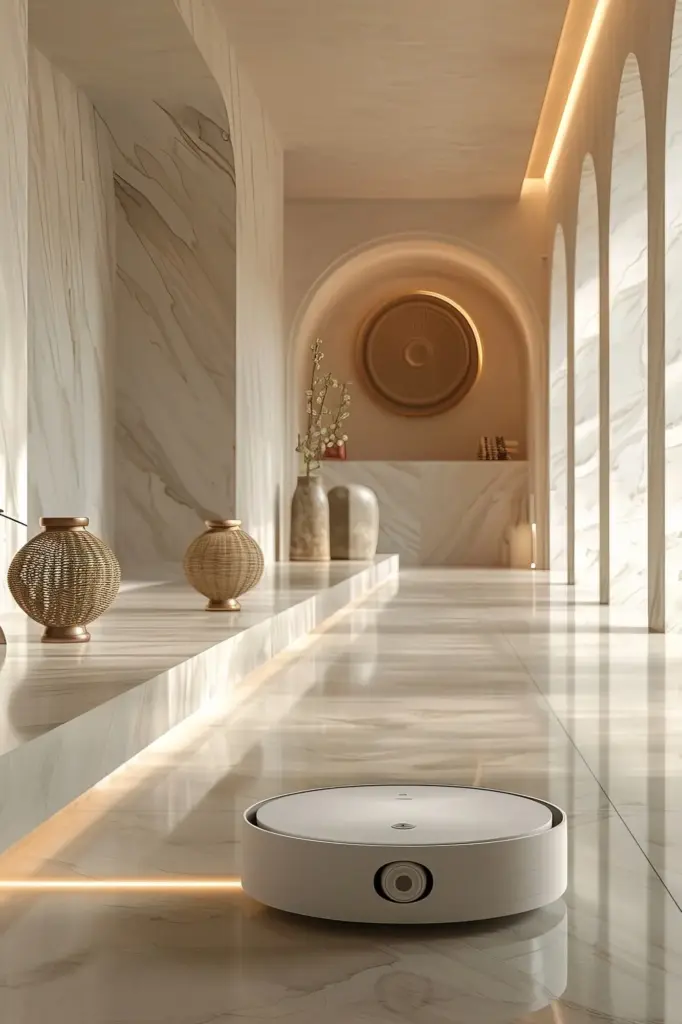
Light does more than reveal color; it becomes another tactile note. Soft diffused shades, wall washers, and low‑glow table lamps build depth without glare. Aim for varied heights and intensities, allowing shadows to articulate grain, weave, and architectural profiles in a quietly theatrical way.
Warm vs Cool Neutrals in Practice
In living rooms that lean cozy, favor oatmeal, camel, and taupe layered with buttery plaster. For crisp galleries or workspaces, choose dove gray, bone, and blue‑cast white. Blend zones thoughtfully at thresholds using transitional textiles that borrow undertones from both sides to prevent clashing.
Working with Whites
Not all whites cooperate. Place several candidates on the wall, extending paint to corners and near floors to observe shifts. Compare against your fabrics. A slightly creamy white flatters natural oak and linen, while a cleaner, cooler white pairs better with concrete, steel, or polished stone.
Accents without Noise
High contrast can be elegant when sparingly applied. Use blackened bronze hardware, smoked glass, or espresso trims to ground airy palettes. Introduce one deep note per sightline, then echo it subtly in frames or textiles so the focus remains on proportion, texture, and light.
Layering Textures with Purpose
Texture invites touch and tells a story about craftsmanship. Begin with foundational upholstery, add tactile throws, weaves, and window treatments, then anchor with casegoods in matte wood or honed stone. Each surface earns its place, avoiding clutter while building a complex, soothing sensory narrative.
Soft to Hard Progression
Arrange layers from plush to resilient so the hand travels naturally. Bouclé cushions and wool rugs invite comfort, while linen slipcovers add breathability. Contrast with tactile oak, brushed limestone, or tadelakt surfaces, letting harder planes outline volume and celebrate the softness they cradle without overwhelming it.
Natural Materials, Honest Finishes
Pieces with visible grain, slub, or pores age gracefully and photograph beautifully. Choose quarter‑sawn oak, rift oak, ash, sisal, hemp, or flax alongside limewash and clay paint. These finishes diffuse light, hide micro‑imperfections, and reward close inspection, delivering sophistication that relies on authenticity instead of gloss.
Scale, Proportion, and Negative Space
Luxury emerges when shapes feel inevitable. Anchor with a generous sofa, then temper with slender tables and leggy lamps. Allow pauses between objects so light can pool and materials can breathe. Fewer, better pieces invite the eye to rest and appreciate every crafted detail.

City Apartment Transformation
In a north‑facing prewar living room, we softened cool daylight with warm putty walls, bouclé seating, and oiled oak. A honed marble sill reflected light back into the space, while gauzy wool drapery tamed street glare. The apartment felt larger, calmer, and effortlessly collected within weeks.
Coastal Retreat, Quietly Elevated
Rather than leaning nautical, we layered chalky whites, shell, and driftwood tones with textured plaster, woven rush, and nubby linen. Salt‑soft breezes animated the fibers, and a single smoked oak cabinet grounded everything. Guests noticed the silence first, then the richness that unfolded as their eyes adjusted.
Compact Studio, Elevated Calm
Storage walls in rift oak kept daily clutter invisible, freeing the palette to whisper. A tonal wool rug zoned living and sleeping, and a linen curtain created privacy without heaviness. With mirrors angled to bounce soft light, the studio felt achieved rather than merely minimized.

Styling and Maintenance for Lasting Elegance
Quiet rooms endure when styling is intentional and care is routine. Choose fewer objects with honest materials, dust with soft brushes, and rotate cushions to even wear. Treat patina as a friend while protecting vulnerable finishes, preserving that subtle glow that separates refined spaces from transient trends.
Ask Us Anything
Have a tricky undertone question, uncertain rug size, or lighting dilemma? Share it below and we will respond with practical, respectful suggestions. Your questions often mirror others’ challenges, building a resource that grows smarter, kinder, and more precise with every shared room and lesson.
Show Your Layers
Post a snapshot of a corner you improved with linen, wood, and stone, and describe what changed. We will highlight selected projects, credit your ideas, and invite feedback from readers, helping everyone refine decisions about proportion, finishes, and light while celebrating honest progress over perfection.
All Rights Reserved.